AIS Podium ProjectEvery Athlete
The Australia Institute of Sport (AIS) Podium Project will renew Australia’s national high-performance sport campus through three new facilities designed around the needs of athletes preparing for the Brisbane 2032 Olympic and Paralympic Games and future international competitions.
The Australia Institute of Sport (AIS) Podium Project will renew Australia’s national high-performance sport campus through three new facilities designed around the needs of athletes preparing for the Brisbane 2032 Olympic and Paralympic Games and future international competitions.
Location
Bruce
State
ACT
Country
Ngunnawal
Client
Australian Sports Commission
Expertise
Sport, Multi Residential
Year
In Progress
Collaborators
Populous, Ngurra Advisory
Renders
In House
Brief
Backed by a AU$249.7 million Australian Government investment, it is the most significant upgrade to the Canberra campus since the AIS was established in the 1980s. The project is the first phase of the broader AIS Site Master Plan and will modernise the campus for the decades ahead.
Backed by a AU$249.7 million Australian Government investment, it is the most significant upgrade to the Canberra campus since the AIS was established in the 1980s. The project is the first phase of the broader AIS Site Master Plan and will modernise the campus for the decades ahead.
Design
Populous led the reference design and design brief for three connected facilities, each supporting a different part of an able bodied and para athlete’s daily life. Extensive consultation with AIS performance staff and athletes helped shape spaces for training, testing, recovery, accommodation and the support services around them.
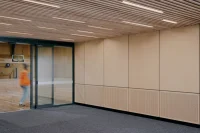
High-Performance Testing and Training Centre: athlete testing, performance science, sports medicine and innovation will be brought together under one roof, giving athletes and support teams easier access to expertise and equipment in one location.
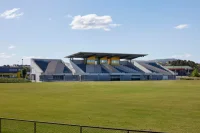
Indoor Sports Dome: the first facility of its kind in the Southern Hemisphere will provide a flexible, all-weather environment for year-round training and testing, including track and field and rectangular field sports.
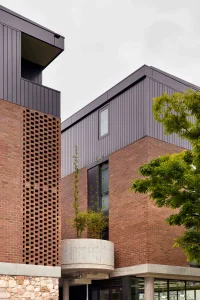
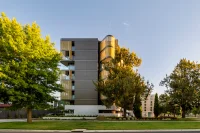
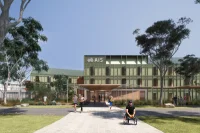
AIS Athletes Village: a new multi-story, fully para-accessible residence will accommodate up to 200 people, creating a welcoming place where athletes can rest, recover and connect while training at the AIS.
Populous is now delivering the detailed design for all three facilities with universal and inclusive design central to the project. The new facilities are being planned for a wide range of users, from young and emerging athletes to Olympians, Paralympians, coaches and support staff. The focus on accessibility extends across the campus, helping Para-athletes move between accommodation, training and performance services with greater ease.
The buildings will sit within the existing 66-hectare campus and connect with its established facilities, open spaces and distinctive Canberra setting. Passive design principles, high environmental standards and future adaptability are embedded in the design, allowing the facilities to respond as high-performance sport continues to evolve.
The design collaboration brings together Populous’ global high-performance sports experience and partner Stewart Architecture’s local knowledge. Ngurra Advisory is guiding Indigenous consultation.
Populous led the reference design and design brief for three connected facilities, each supporting a different part of an able bodied and para athlete’s daily life. Extensive consultation with AIS performance staff and athletes helped shape spaces for training, testing, recovery, accommodation and the support services around them.
High-Performance Testing and Training Centre: athlete testing, performance science, sports medicine and innovation will be brought together under one roof, giving athletes and support teams easier access to expertise and equipment in one location.
Indoor Sports Dome: the first facility of its kind in the Southern Hemisphere will provide a flexible, all-weather environment for year-round training and testing, including track and field and rectangular field sports.
AIS Athletes Village: a new multi-story, fully para-accessible residence will accommodate up to 200 people, creating a welcoming place where athletes can rest, recover and connect while training at the AIS.
Populous is now delivering the detailed design for all three facilities with universal and inclusive design central to the project. The new facilities are being planned for a wide range of users, from young and emerging athletes to Olympians, Paralympians, coaches and support staff. The focus on accessibility extends across the campus, helping Para-athletes move between accommodation, training and performance services with greater ease.
The buildings will sit within the existing 66-hectare campus and connect with its established facilities, open spaces and distinctive Canberra setting. Passive design principles, high environmental standards and future adaptability are embedded in the design, allowing the facilities to respond as high-performance sport continues to evolve.
The design collaboration brings together Populous’ global high-performance sports experience and partner Stewart Architecture’s local knowledge. Ngurra Advisory is guiding Indigenous consultation.
Impact
Brisbane 2032 is an important milestone, but the project is intended to serve Australian sport for decades. It will give athletes world-class training, testing and accommodation on home soil, with facilities that can adapt to new sports, technology and approaches to athlete wellbeing.
Together, the new buildings will create a more connected environment for athletes and support teams to train, recover and live at the AIS.
Brisbane 2032 is an important milestone, but the project is intended to serve Australian sport for decades. It will give athletes world-class training, testing and accommodation on home soil, with facilities that can adapt to new sports, technology and approaches to athlete wellbeing.
Together, the new buildings will create a more connected environment for athletes and support teams to train, recover and live at the AIS.